General Plumbing Maintenance
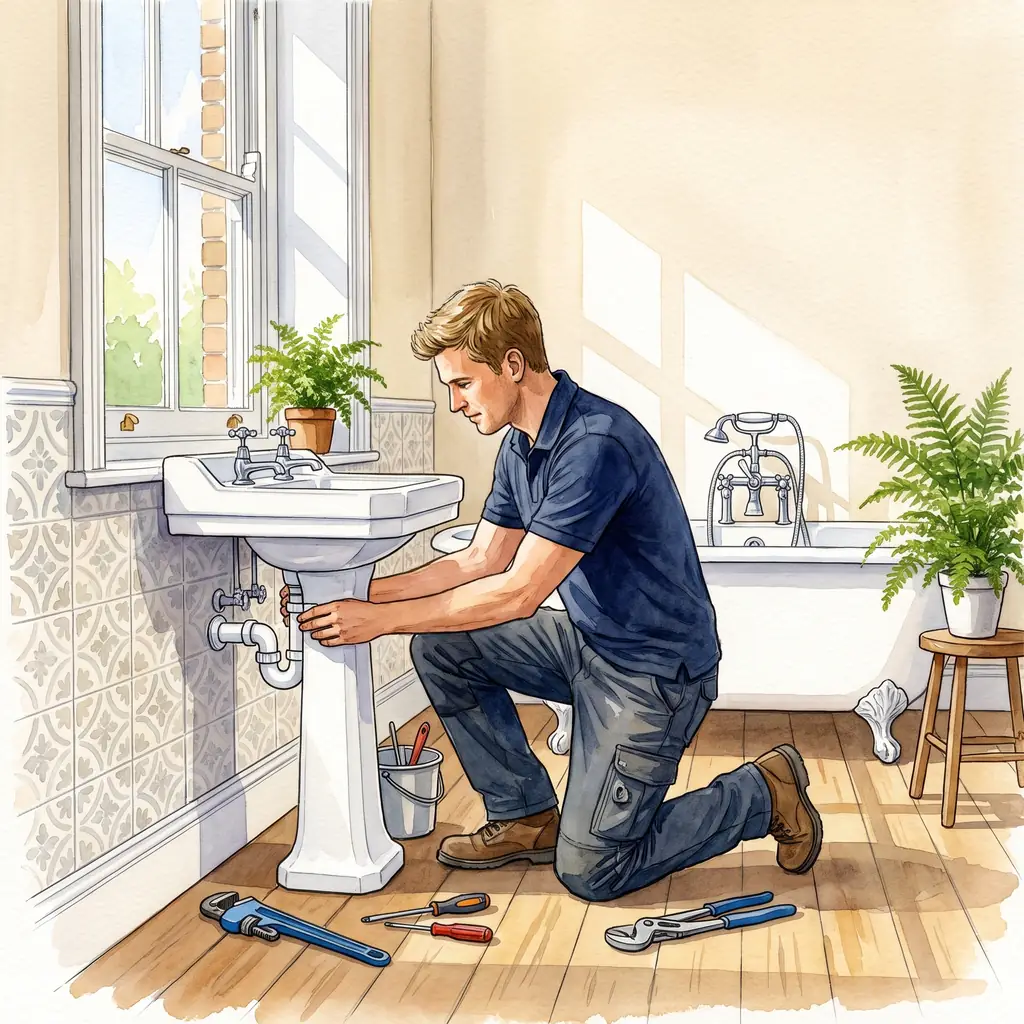
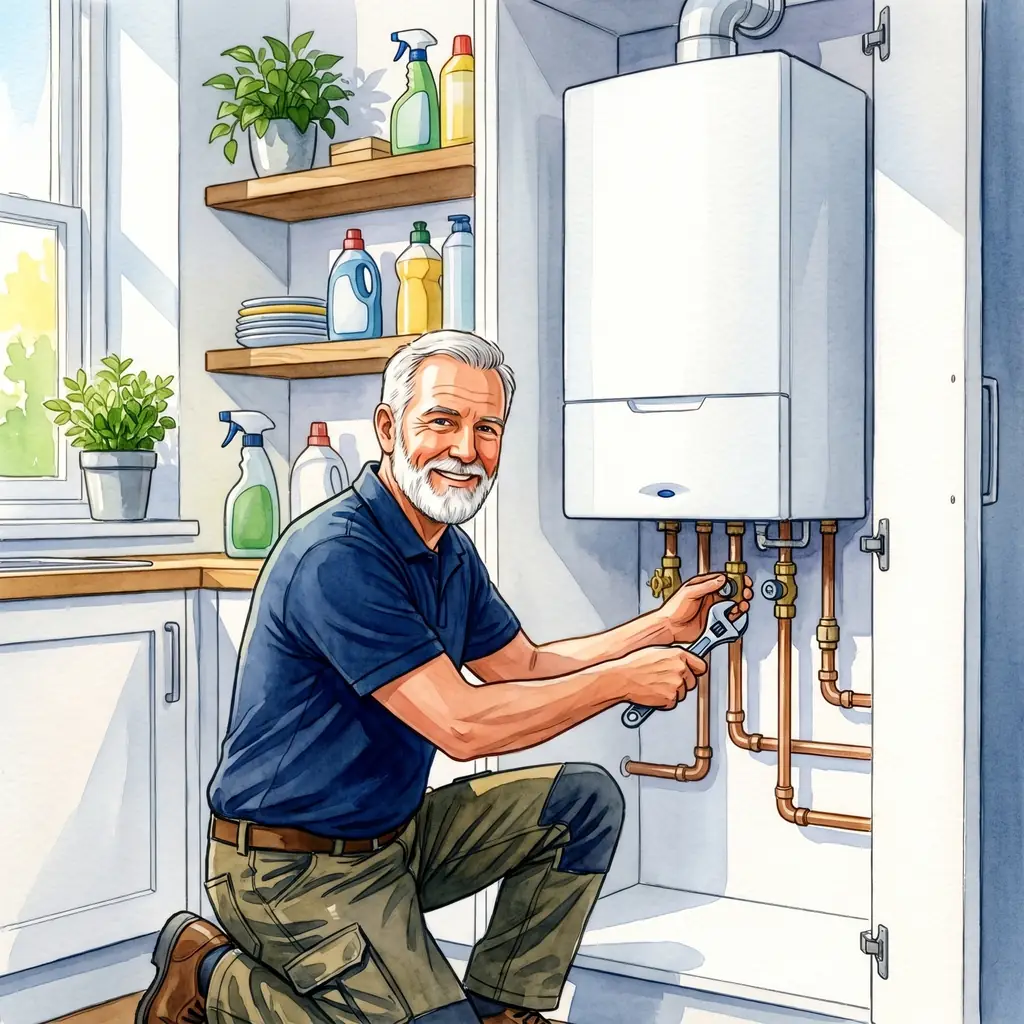
A visit to check the stop valve, the isolating valves, the loft tank and the pipes most likely to freeze, with small faults put right on the same visit.
Book Now
Epsom has been one of our busiest areas for years, from the terraces near the town centre to the larger detached homes out towards the Downs and the racecourse.
Epsom was a spa before it was a racing town. In the dry summer of 1618 cattle were seen to avoid one spring, the spring was made into a well, and the village grew quickly into a resort for Londoners. Epsom & Ewell Council's appraisal of the town centre says many buildings of those years went up in haste, a timber frame faced in weatherboarding, and some still stand in South Street. The brickworks on the commons expanded from 1663 to meet the demand.
The town as it is now took shape from the middle of the 19th century. Along College Road and the north-eastern end of Burgh Heath Road the later Victorian houses, some of them in terraces, are of local red brick with sash windows and panelled doorways under slate or tile. A panelled door of that age that sticks or has dropped on its hinges is a job we do by the hour.
We're familiar with everything from the Victorian streets around Epsom station to the newer developments near Nonsuch Park and the period homes bordering Epsom Common.
South of the station, the fields either side of Church Street were filled with houses and cottages between the 1870s and 1900, and the streets behind it, Heathcote Road and Laburnum Road among them, still have their 19th-century houses. Further out, the land along Burgh Heath Road became a spacious suburb between the late 1890s and the First World War. Lynwood Road has large detached houses with Arts and Crafts details, and the Chase Estate, which laid out Downs Avenue, also built in Temple Road, Chase Road and around West Hill.
The Downs Road Estate is another thing altogether. Wates built it from the late 1950s to designs by their own architect, Kenneth Bland, with clay pantile roofs and, on some of the houses, a mansard first floor.
By the Common, Stamford Green has late 19th-century cottages, many of them built to house staff of the five hospitals that went up nearby between 1890 and 1915. The first houses of the Hookfield estate were ready for tenants by 1921, and the housing round the Common went on improving through the 1920s and 30s.
Plumbing is £90 an hour and handyman work £60, with a one-hour minimum. Pick a time that suits you and pay online: a £50 deposit secures your slot and comes off the final bill.
A visit to check the stop valve, the isolating valves, the loft tank and the pipes most likely to freeze, with small faults put right on the same visit.
Book NowA basin, bath, bidet or toilet swapped for a new one in the same place, its taps and waste connected and every joint tested dry.
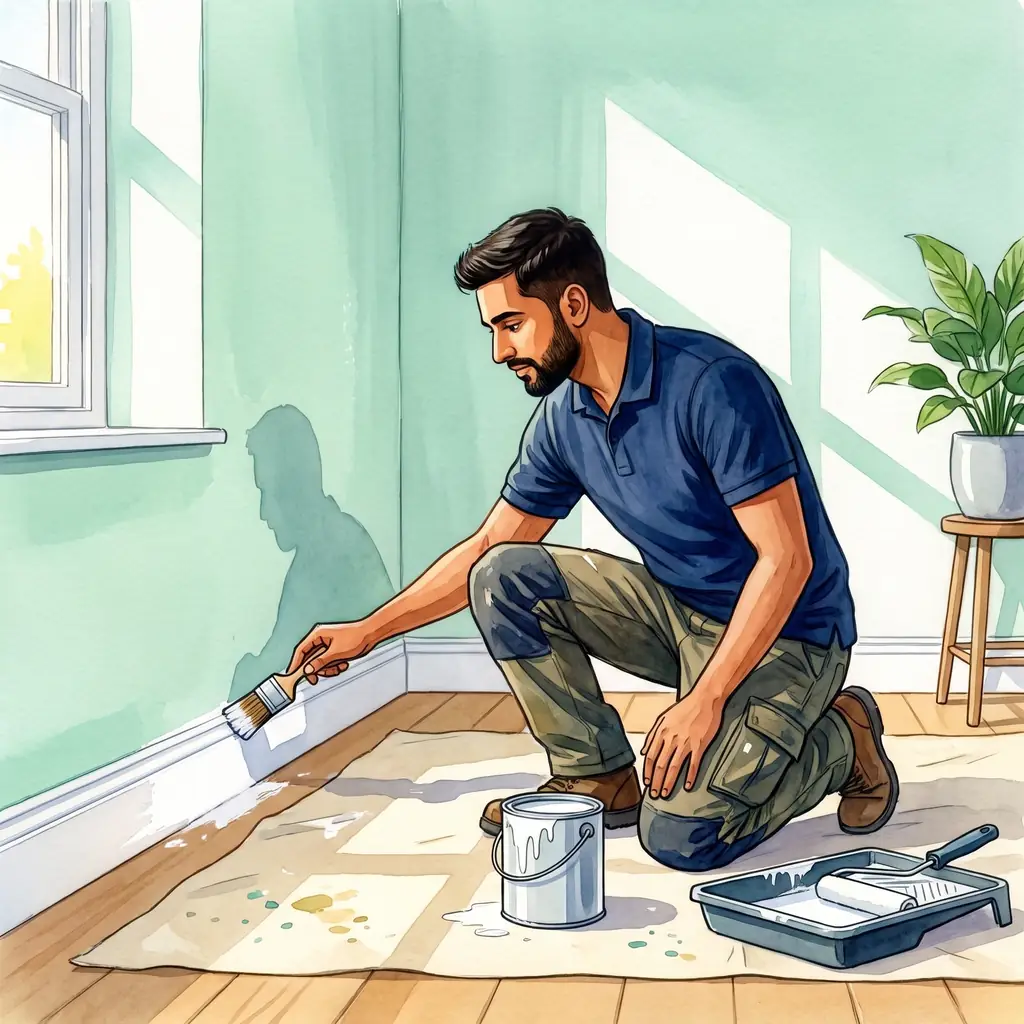
Book NowFilling holes, sanding down, and repainting damaged walls, doors, or skirting boards.
Book NowComprehensive handyman checkups and general repairs across multiple areas of the property in a single visit.
Book Now