Toilet Repairs Specialists
Service Overview
Running, slow to fill, a weak flush, water on the floor: most toilet faults come down to one part, either inside the cistern or behind the pan. It is the flush valve, the fill valve, the seal between cistern and pan, or the pan connector. We find which one has failed and change it, with the toilet left in place.
A toilet that trickles into the pan all day is easy to miss and costly on a water meter: Waterwise puts the loss from a leaking toilet at 200 to 400 litres a day.
We charge £90 an hour for this work, with a one-hour minimum; after the first hour, time is billed in 30-minute blocks. Pick a time that suits you online: a £50 deposit secures your slot and comes off the final bill.
What we usually find
-
A flush valve that no longer seals. Water trickles into the pan long after the flush. WaterSafe finds this most on dual-flush toilets with a push button.
-
A fill valve that does not shut off. The cistern keeps filling and the water runs away through the overflow.
-
A worn seal between the cistern and the pan. On a close-coupled toilet, water collects on the floor behind the pan after each flush.
-
A cracked or loose pan connector. Water, or a smell, where the back of the pan joins the soil pipe.
-
A broken button or lever link. The flush works only now and then, or the button stays down.
The visit, step by step
- We close the valve on the pipe that feeds the cistern and flush it empty.
- We find the failed part and show it to you.
- We fit the new valve, seal or connector, and set the water level in the cistern to its mark.
- We flush several times and check that the floor behind the pan stays dry.
Before we arrive
-
Not sure it leaks? WaterSafe's test: 30 minutes after a flush, wipe the back of the pan dry and lay a dry sheet of toilet paper there for a few hours. A wet or torn sheet means water is getting past the flush valve.
-
Lift the cistern lid and add a photo of the inside, and of the flush button, to your booking.
-
Clear the floor round the toilet and anything kept on the cistern lid.
What is included
- Flush valves, fill valves and their seals
- The seal and bolts of a close-coupled toilet
- Pan connectors
- Buttons, levers and the links inside the cistern
What is not
- A blocked toilet: book Blocked Drains, which covers toilets
Questions about toilet repairs
Why does my toilet keep running?
Is water on the floor behind the toilet always a leak?
Deposits, cancelling and paying are on our FAQ page.
Worth doing in the same visit
Areas we cover
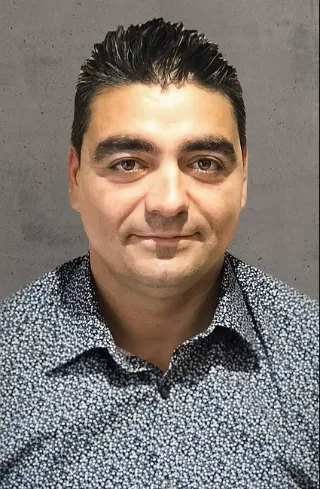
Hi, I'm Zapryan – Owner & Lead Plumber in Surrey
I've been in the construction industry since 2004, and I believe the secret to stress-free renovations is simple: turn up on time, manage the trades properly, and do the job right the first time. I personally survey every project and work alongside our teams on-site until the final checklist is complete. You'll always have a direct line to me, and my personal guarantee that the work is finished to perfection.